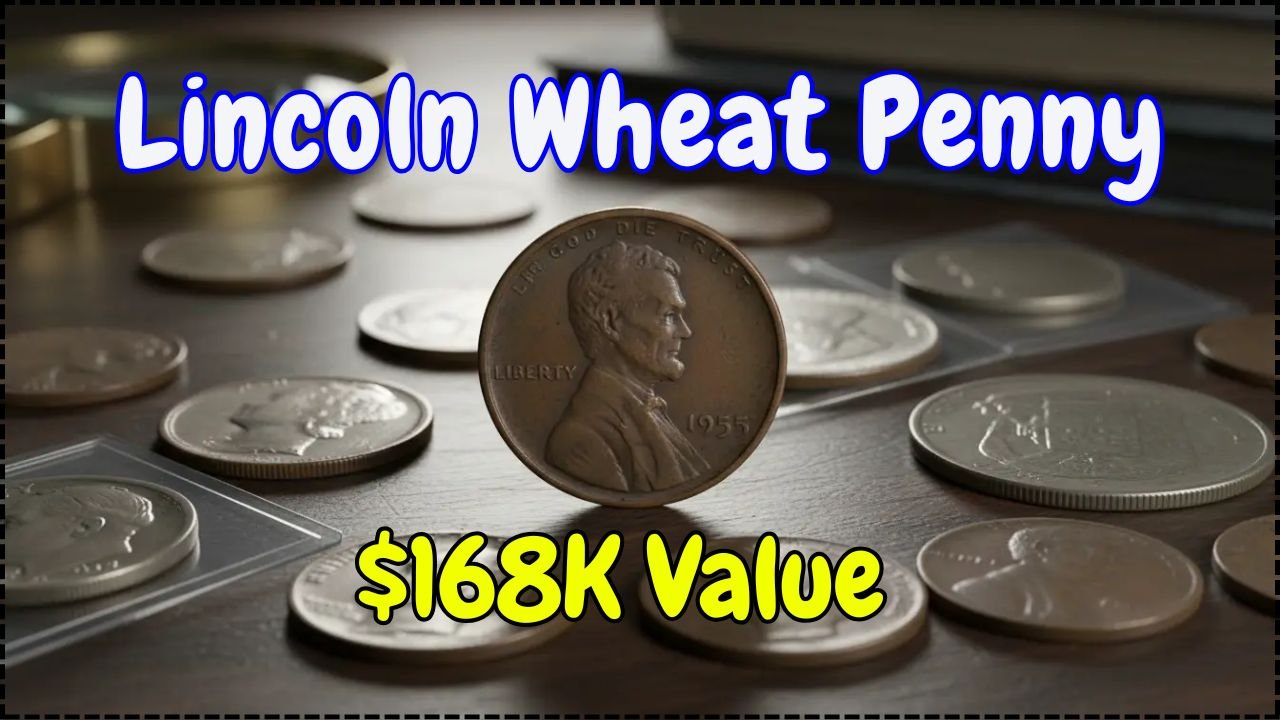
Stories claiming a Lincoln Wheat Penny is worth $168,000—and still circulating in everyday change—continue to spread online. While rare examples of the historic coin have sold for six figures at auction, numismatic experts say most such claims blur the line between verified market data and viral exaggeration, fueling persistent public confusion.
The Lincoln Wheat Penny
| Key Fact | Detail |
|---|---|
| Years minted | 1909–1958 |
| Typical value | 1–10 cents for common dates |
| Verified six-figure sales | Limited to extreme rarities |
| Circulation likelihood | Technically possible, extremely rare |
What Is the Lincoln Wheat Penny?
The Lincoln Wheat Penny was introduced in 1909 to mark the centennial of Abraham Lincoln’s birth. It was the first circulating U.S. coin to feature a real historical figure, breaking with a long tradition of allegorical imagery such as Liberty heads and classical symbols.
Designed by sculptor Victor David Brenner, the penny’s obverse features Lincoln’s profile, while the reverse displays two stylized wheat stalks framing the words “ONE CENT” and “UNITED STATES OF AMERICA.” The wheat design symbolized national prosperity and agricultural strength at the dawn of the 20th century.
Minted continuously until 1958, the Lincoln Wheat Penny was produced in vast quantities at mints in Philadelphia, Denver, and San Francisco. According to the United States Mint, billions entered circulation during its nearly five-decade run.
Despite that scale, the coin has become one of the most studied and collected objects in American numismatics, largely because a small fraction diverges sharply from the norm.
Where the $168,000 Figure Comes From
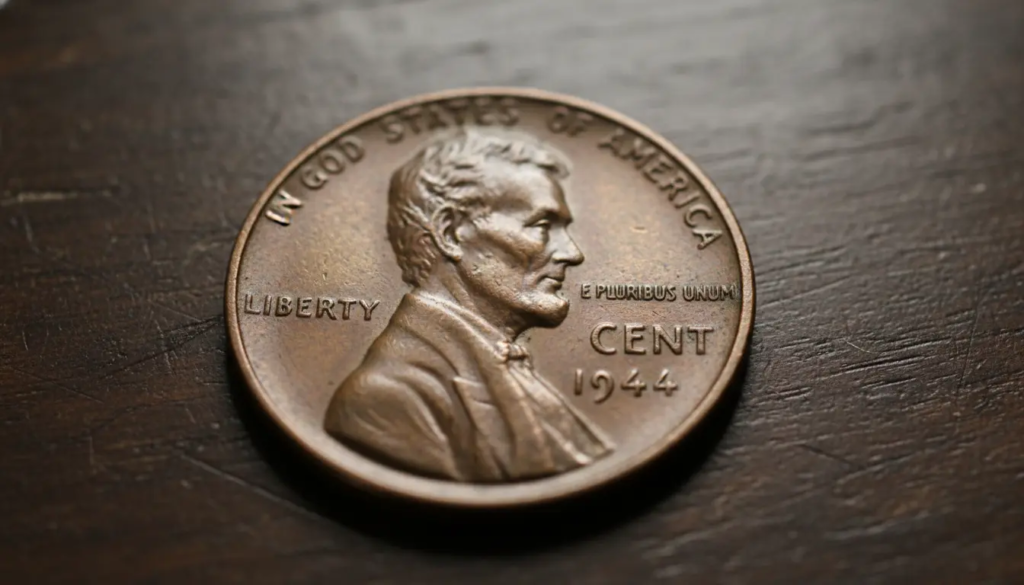
Claims that a Lincoln Wheat Penny is worth $168,000 generally trace back to isolated auction results involving exceptionally rare coins. These prices reflect specific combinations of scarcity, condition, provenance, and collector demand rather than a generalized valuation.
“These are not ordinary pocket-change coins,” said David Hall, co-founder of the Professional Coin Grading Service (PCGS). “Coins at that level represent the top fraction of one percent of surviving examples.”
According to auction data compiled by Heritage Auctions, prices approaching six figures usually require:
- A recognized mint error or historically significant anomaly
- A low-mintage year or mint mark
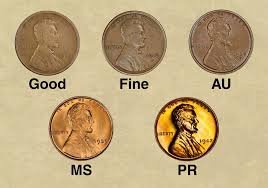
- Near-perfect preservation, often graded MS-66 or higher
Without those factors, market values drop sharply, sometimes by several orders of magnitude.
The Rare Pennies That Actually Command Six Figures
The 1943 Bronze Error
The most famous Lincoln Wheat Penny rarity dates to World War II. In 1943, the U.S. government redirected copper supplies toward wartime production, prompting the Mint to strike pennies in zinc-coated steel.
A small number of bronze planchets from 1942 remained in production bins and were accidentally struck in 1943. Fewer than two dozen authentic examples are known to exist.
One such coin sold privately for more than $1 million, according to Heritage Auctions, making it one of the most valuable U.S. coins ever traded. These pennies are widely documented, professionally graded, and closely tracked by collectors.
The 1909-S VDB
Another cornerstone of Lincoln Wheat Penny lore is the 1909-S VDB. Produced at the San Francisco Mint, the coin carried Brenner’s initials prominently on the reverse, triggering public controversy and a swift design change.
With a mintage of roughly 484,000, high-grade examples have sold for tens of thousands of dollars, especially when accompanied by original surfaces and minimal wear.
Other High-Value Errors and Varieties
Collectors also prize:
- The 1955 doubled-die obverse, known for dramatic lettering duplication
- The 1922 “No D” penny, struck without a Denver mint mark
- The 1944 steel cent, another wartime planchet anomaly
Each variety commands premiums tied closely to condition, authentication, and current demand, reflecting broader KW2 and KW3 market dynamics within rare-coin investing.
Are Valuable Lincoln Wheat Pennies Still in Circulation?
In theory, a rare Lincoln Wheat Penny could still appear in circulation. In practice, experts emphasize that such an outcome is extraordinarily unlikely.
The American Numismatic Association notes that most high-value wheat pennies were identified decades ago, removed from circulation, and placed into private collections or institutional holdings.
“Circulation finds make headlines because they are exciting,” said Jeff Garrett, a veteran numismatist and co-author of multiple U.S. coin reference books. “But probability matters. The statistical likelihood is vanishingly small.”
Ordinary wheat pennies do still surface in cash drawers and coin jars, particularly from estate liquidations or old collections re-entered into circulation. These coins typically carry modest value based on copper content or collector interest.
Why Online Claims Keep Going Viral
Digital misinformation researchers say the Lincoln Wheat Penny occupies a perfect niche for viral exaggeration. It is familiar, inexpensive, and associated with the appealing idea of hidden wealth.
According to the Pew Research Center, financial myths spread rapidly online when they promise unexpected rewards and require minimal verification. Headlines suggesting ordinary coins are worth six figures tap directly into that psychology.
Search analytics tied to KW4 show sharp spikes whenever sensational coin stories resurface, particularly during periods of economic uncertainty. Experts say such cycles repeat with predictable regularity.
How Authentication and Grading Actually Work
Professional authentication plays a decisive role in separating legitimate rarities from wishful thinking. Third-party grading services such as PCGS and the Numismatic Guaranty Company (NGC) evaluate coins based on weight, metal composition, strike quality, and microscopic details.
Coins submitted for grading are sealed in tamper-resistant holders and assigned standardized grades. Without this process, high valuations carry little credibility in the marketplace.
“A coin is only worth what buyers will pay,” Hall said. “And buyers rely on independent verification.”
The Economics Behind Coin Values
The Lincoln Wheat Penny market reflects broader economic forces. Supply is fixed, demand fluctuates, and prices respond to collector sentiment, disposable income, and generational interest.
During periods of inflation or stock-market volatility, tangible assets such as coins often see renewed attention. However, experts caution that numismatics should not be treated as short-term speculation.
“Coins are historical objects first,” Garrett said. “Financial appreciation is secondary and never guaranteed.”
How the Lincoln Wheat Penny Became a Cultural Icon
Beyond monetary value, the Lincoln Wheat Penny holds symbolic weight in American culture. It circulated through the Great Depression, two world wars, and the postwar economic boom, passing through millions of hands.
Its longevity and design consistency made it a familiar object across generations. That familiarity, experts say, contributes to the endurance of circulation myths.
What This Means for Collectors and the Public
For collectors, the Lincoln Wheat Penny remains a cornerstone of entry-level and advanced numismatics alike. Complete date-and-mint sets are achievable, while elite rarities offer long-term prestige.
For the general public, however, the lesson is caution. Extraordinary valuations apply to extraordinary coins, not ordinary change.
“Education is the best protection against misinformation,” Garrett said. “The real value of the wheat penny is its place in American history.”
FAQs About The Lincoln Wheat Penny
Is any Lincoln Wheat Penny worth $168,000?
Yes, but only in rare, professionally authenticated cases involving extreme scarcity.
Can I realistically find one in circulation today?
Experts say it is theoretically possible but statistically negligible.
Are all wheat pennies collectible?
Many are collectible, but most are worth only modest premiums above face value.