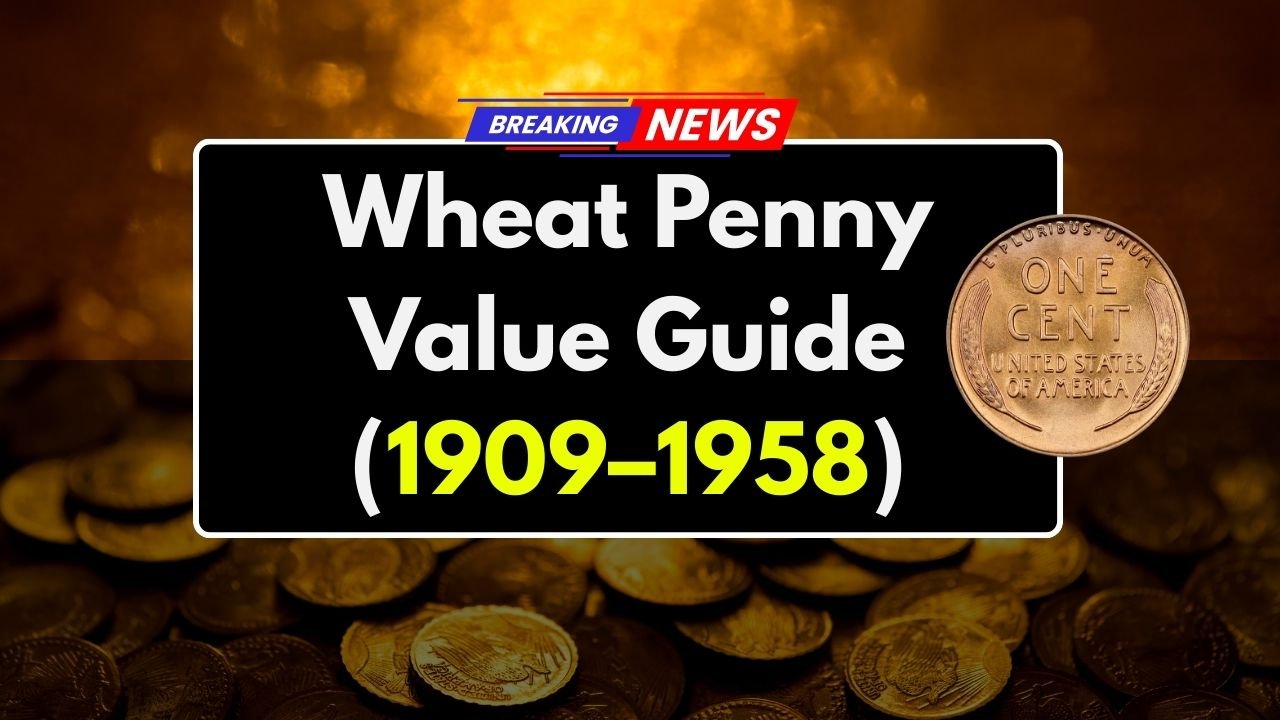
For more than a century, the Lincoln Wheat penny has captured the imagination of collectors, historians, and everyday Americans. Issued between 1909 and 1958, these small copper coins tell a larger story about U.S. history, wartime economics, and the evolution of American coinage. While many Wheat pennies are worth only a few cents today, some rare examples have sold for thousands—or even hundreds of thousands—of dollars. Understanding which coins hold real value can turn an ordinary jar of pennies into a potential treasure hunt.
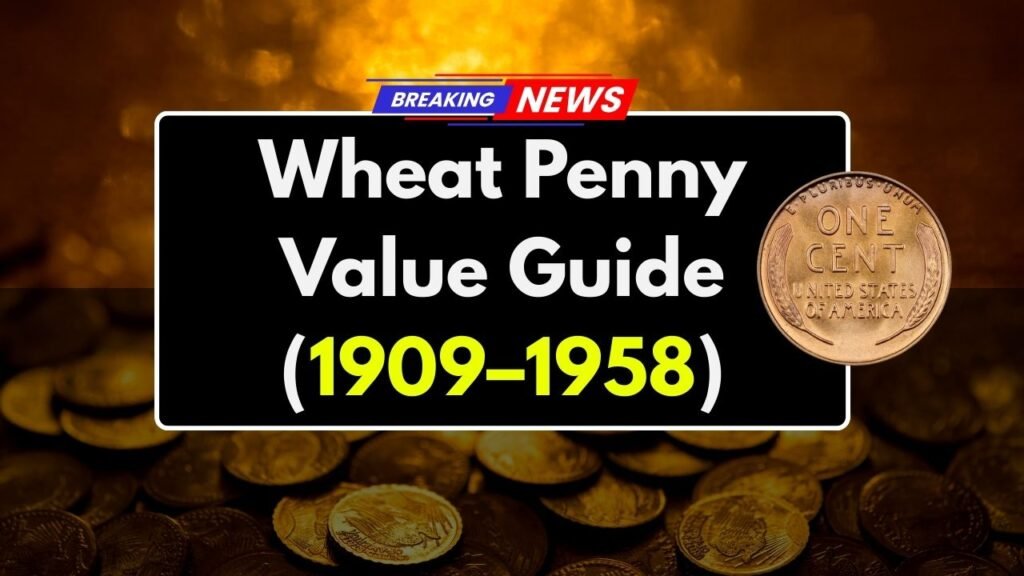
This guide explores the most valuable Wheat pennies by year, explains what makes certain coins rare, and helps readers identify key dates and varieties. Whether you are a beginner checking old change or a seasoned collector refining a set, knowing the fundamentals of Wheat penny values is essential.
Wheat Penny Value Guide (1909–1958)
The Wheat Penny Value Guide (1909–1958) focuses on identifying which Lincoln cents are common and which are genuinely scarce. Value is driven by a combination of date, mint mark, condition, and unusual minting errors. While millions of Wheat pennies were produced each year, a small number were struck in limited quantities or with mistakes that now make them highly desirable.
Collectors often begin by checking the year and mint mark, then move on to condition and varieties such as doubled dies or off-metal strikes. This approach allows even beginners to quickly narrow down which coins deserve closer attention or professional grading.
Overview of Key Wheat Penny Values
| Year & Variety | Mint Mark | Why It’s Important | Value Potential |
|---|---|---|---|
| 1909-S VDB | S | First year, low mintage, designer initials | $1,000 to $300,000+ |
| 1914-D | D | Low Denver mintage | Up to $20,000+ |
| 1931-S | S | Scarce Depression-era issue | $250 to $10,000+ |
| 1943 Bronze | None/D/S | Wrong metal error during WWII | $100,000 to $800,000+ |
| 1955 Doubled Die | None | Strong doubled lettering | $1,000 to $50,000+ |
What Makes a Wheat Penny Valuable
Several factors determine whether a Wheat penny is a modest collectible or a high-dollar rarity.
Date and Mint Mark
Coins minted in San Francisco (S) and Denver (D) were often produced in smaller quantities than those from Philadelphia, which used no mint mark. Low-mintage years such as 1909-S and 1931-S are especially desirable.
Condition and Grade
A Wheat penny’s condition plays a major role in its value. Coins with sharp details, minimal wear, and original luster can be worth many times more than heavily worn examples. Professional grading services often authenticate and grade valuable coins to confirm their condition.
Errors and Varieties
Minting errors, such as doubled dies or incorrect metal compositions, are among the most valuable Wheat pennies. These mistakes were never intended for circulation, making surviving examples extremely rare.
Early Wheat Pennies (1909–1919)
The first decade of Wheat pennies includes some of the most iconic and valuable coins in the series.
1909-S VDB
This coin is widely regarded as the key date of the entire series. Minted in San Francisco with only about 484,000 produced, it features the initials “VDB” of designer Victor David Brenner. Public controversy led to the initials being removed shortly after release, adding to its rarity and appeal.
Other Early Issues
Pennies from 1910 to 1919 are generally more common, but certain mint-marked coins can still command strong prices in high grades. Collectors often seek these early dates to complete full sets.
Wheat Pennies of the 1920s
The 1920s were marked by changing economic conditions and fluctuating mintages.
1922 “No D” Penny
Although Denver was the only mint producing pennies in 1922, some coins were struck with a weak or missing mint mark. These “No D” varieties are popular among collectors and can be valuable depending on condition.
General Value Trends
Most Wheat pennies from this decade are affordable in circulated condition, making them accessible to new collectors. High-grade examples, however, remain challenging and valuable.
Wheat Pennies of the 1930s
The Great Depression had a noticeable impact on coin production, especially in San Francisco.
1931-S Wheat Penny
With a mintage of just over 800,000, this coin is one of the lowest-production Wheat pennies. Even circulated examples carry a premium, while uncirculated specimens can sell for thousands.
Other 1930s Coins
Many 1930s Wheat pennies are common, but collectors still value them for historical significance and set-building purposes.
World War II Era Wheat Pennies (1940s)
The 1940s produced some of the most fascinating and valuable Wheat pennies due to wartime metal shortages.
1943 Steel Pennies
To conserve copper for the war effort, the U.S. Mint produced pennies from zinc-coated steel in 1943. While common, they remain popular with collectors.
1943 Bronze Error
A small number of pennies were mistakenly struck on leftover bronze planchets. These coins are among the rarest and most valuable U.S. cents ever made, with auction prices reaching well into six figures.
Wheat Pennies of the 1950s
The final decade of Wheat penny production is generally more affordable, but it still includes notable varieties.
1955 Doubled Die
This famous error shows strong doubling in the date and lettering. It is easily visible without magnification and remains one of the most sought-after error coins in American numismatics.
End of the Wheat Design
In 1959, the reverse design changed to the Lincoln Memorial, marking the end of the Wheat penny era and solidifying these coins as a closed, collectible series.
Tips for Identifying Valuable Wheat Pennies
- Always check the date and mint mark first
- Look closely for doubling or unusual features
- Avoid cleaning coins, as this reduces value
- Store coins properly to prevent damage
Conclusion
The Lincoln Wheat penny series from 1909 to 1958 offers one of the most rewarding collecting experiences in American coinage. While many examples remain common, a select group of key dates and rare errors can be worth extraordinary sums. By using a reliable Wheat Penny Value Guide (1909–1958) and understanding what drives value, collectors can confidently identify coins worth keeping, grading, or selling. With patience and knowledge, even a single penny can become a remarkable piece of history—and a valuable one at that.